
What to Expect During a Standby Generator Installation
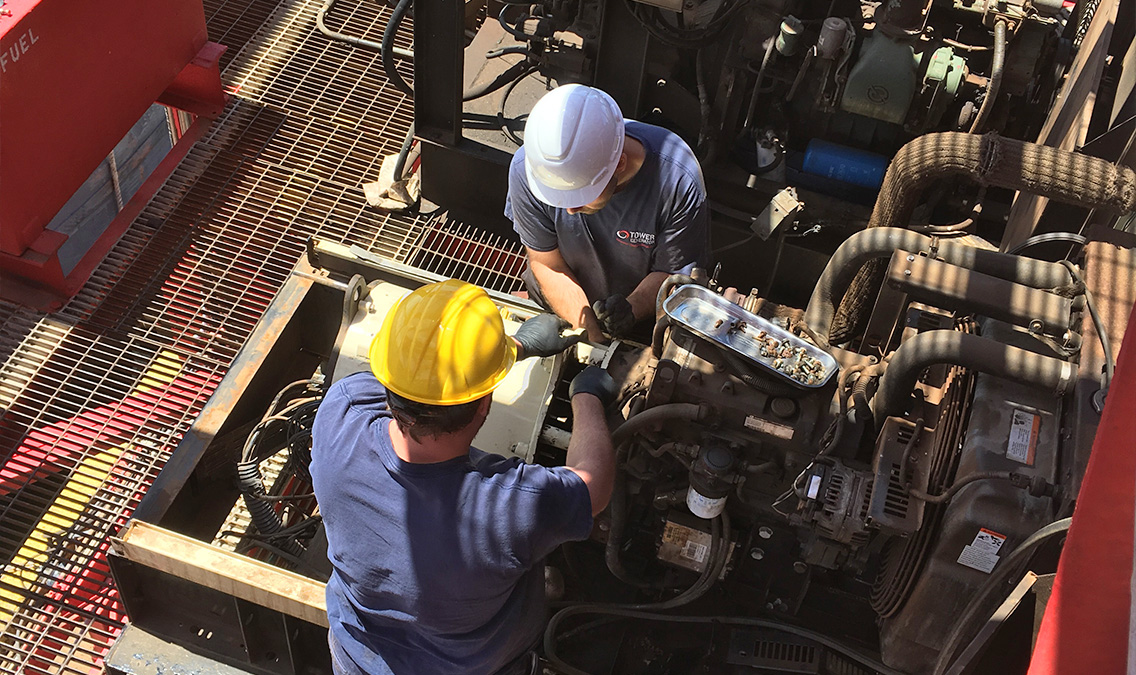
A Guide for Homeowners, Business Owners, and Municipal Decision-Makers
Installing a standby generator can help keep essential systems operating when utility power is unavailable. But getting from the initial decision to a fully functioning backup power system involves more than choosing a generator and placing it outside.
A professional installation requires careful planning, accurate sizing, permitting, site preparation, electrical and fuel connections, testing, and inspections. Understanding these steps can make the process feel more manageable and help you know what to expect along the way.
Even when fewer hurricanes form, tropical storms, storm remnants, and severe weather systems can still bring heavy rain, strong winds, flooding, downed trees, and widespread power outages. In many cases, a storm does not need to reach hurricane strength to disrupt daily life, close businesses, damage property, or leave communities without power. That is why backup power planning still matters.
For homes, businesses, and critical facilities, the question is not only whether a major hurricane will make landfall. The real question is whether your property is prepared for the next outage, no matter what causes it.
Why Professional Generator Installation Matters
A standby generator is permanently connected to a property’s electrical system and fuel supply. When utility power is lost, an automatic transfer switch detects the outage, disconnects the property from the electrical grid, and transfers the selected electrical load to generator power. When utility service returns, the system transfers back and the generator shuts down.
For this process to work safely and consistently, the generator, transfer switch, electrical connections, fuel system, and site conditions all need to be planned as one complete system. Incorrect sizing, poor placement, improper connections, or missed permitting requirements can lead to delays, failed inspections, unsafe operation, or a system that does not perform as expected.
Working with an experienced generator installation company helps ensure the project is designed around the property, completed according to applicable requirements, and thoroughly tested before it is placed into service.
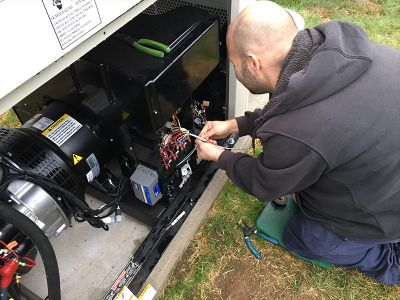

How Long Does a Standby Generator Installation Take?
There is no universal standby generator installation timeline. The total process includes planning and approvals as well as the work completed on site. Timing may be affected by several factors, including:
- Local permit and inspection schedules
- Generator and transfer switch availability
- Property access and site conditions
- The amount of trenching or site preparation required
- Natural gas, propane, or diesel fuel requirements
- Utility company coordination
- HOA, zoning, or municipal approvals
- The size and complexity of the electrical system
Larger commercial and municipal projects may also require additional engineering, equipment lead time, coordination with multiple trades, or temporary power planning. Starting the process before an urgent need gives the team more time to address these requirements and complete the installation correctly.
The Value of a Turnkey Installation Partner
A standby generator project can involve equipment suppliers, site contractors, electricians, fuel professionals, permit offices, inspectors, utilities, and ongoing service technicians. When the customer is responsible for coordinating each part separately, the process can become difficult to manage.
Tower Generator takes a turnkey approach, managing 100% of the project, 100% of the time. From the initial questionnaire or site survey through permitting, site preparation, installation, startup, inspections, and ongoing maintenance, one experienced team coordinates every stage.
Having one team oversee the project reduces handoffs, keeps responsibilities clear, and helps customers move through installation with fewer surprises. It also means the company that designs and installs the system can continue supporting it through routine maintenance and emergency service after the project is complete.
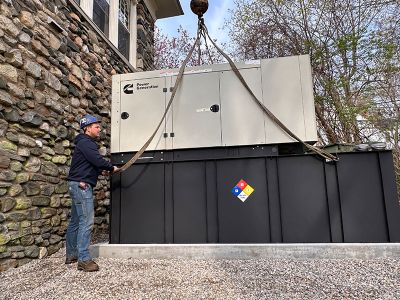
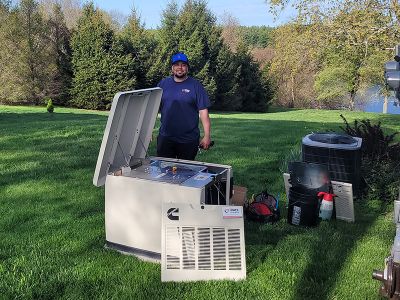
Plan Your Standby Generator Installation with Tower Generator
Installing a standby generator is a detailed process, but it does not need to be overwhelming. With proper planning and an experienced partner, each step can be managed in the right order, from identifying your power needs to testing the completed system.
Tower Generator provides turnkey standby generator installation for residential, commercial, and municipal customers across Connecticut, western Massachusetts, and eastern New York. Our team handles system planning, equipment selection, engineering, permitting, site work, electrical and fuel connections, commissioning, inspections, warranty registration, and long-term service.
Contact Tower Generator today to schedule a free consultation and start planning a standby generator system designed around your property and backup power needs.