How to Get a Home Standby Generator in an HOA Community
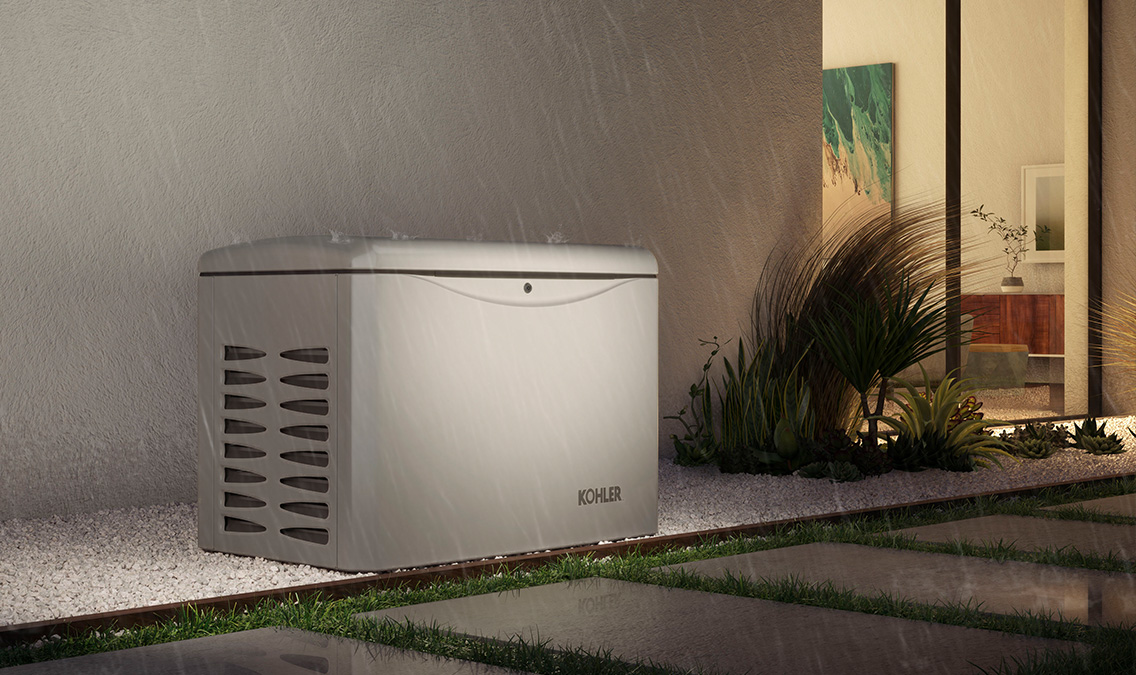
Residential generator in house's backyard

Choosing the Right Partner Makes All the Difference

When the power goes out, most homeowners immediately think about the inconvenience and risks: losing heat or air conditioning, dealing with spoiled food, worrying about medical devices or sump pumps, and being left in the dark both literally and figuratively. A home standby generator solves all of that by automatically taking over when the grid fails, keeping your home powered, comfortable, and safe without you lifting a finger. For many people, that peace of mind is priceless. But for homeowners living in a community governed by a Homeowners Association (HOA), the thought of installing a standby generator often brings additional worries—whether the HOA will even allow it, how noisy it might be, or whether the unit will be considered an eyesore. These concerns are understandable, but they don’t have to be barriers. With the right partner, the process of installing a standby generator in an HOA neighborhood can be straightforward and stress-free.

The Benefits of a Standby Generator for Homeowners

The advantages of owning a standby generator are clear. Unlike portable units, which require manual setup, extension cords, and constant refueling, a standby generator is permanently installed and fully integrated with your home’s electrical system. It turns on within seconds of a power outage, runs automatically, and can support your entire home—not just a few outlets. That means essential appliances like refrigerators and freezers keep running, heating and cooling systems stay operational, and critical needs like internet connectivity or medical equipment remain uninterrupted.

Beyond safety and convenience, standby generators also help protect your wallet. The hidden costs of outages can add up quickly, from spoiled groceries to burst pipes in freezing temperatures to lost productivity from working at home without power. A generator prevents these expenses while also adding long-term value to your property. A standby generator can be an attractive selling point, signaling to buyers that the home is equipped to handle outages and offering greater peace of mind.
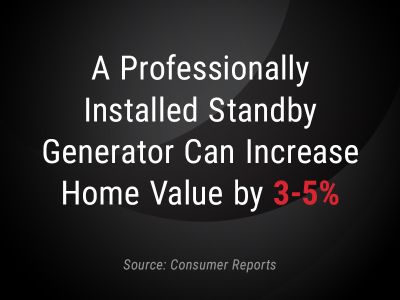
A Professionally Installed Standby Generator Can Increase Home Value by 3–5%
Source: Consumer Reports

Common HOA Challenges

Where things become tricky for many HOA homeowners is navigating the approval process. HOAs exist to maintain community standards, and that often means rules about the appearance and placement of anything added to a property, noise restrictions, and interpreting complex CC&Rs (Covenants, Conditions, and Restrictions) to ensure compliance. These challenges can feel overwhelming for homeowners trying to navigate them on their own. That’s why having an expert partner makes all the difference.

Challenge: Strict Aesthetic & Placement Rules

HOAs often have very specific guidelines on what can be visible from the street or from neighboring homes. These rules are meant to ensure uniformity and curb appeal, but they can complicate generator installations. Some associations only allow equipment to be placed in the backyard, behind a privacy fence, or hidden with approved landscaping. Others require certain setbacks from property lines or windows. In tightly planned communities, finding a location that satisfies both HOA standards and safety codes can be a puzzle. Homeowners attempting this on their own often find the rules confusing or contradictory, and a misstep can lead to delays or outright denials.

Challenge: Noise Regulations

Noise is another concern that frequently comes up in HOA-governed neighborhoods. Standby generators typically operate between 65 and 70 decibels, comparable to a vacuum cleaner or urban traffic. While this is not overly loud, it can be noticeable in quiet residential neighborhoods. Some HOAs enforce strict decibel limits, requiring proof that the unit will not exceed a certain noise threshold during operation or weekly test cycles. Others may prohibit installations within a certain distance of a neighbor’s home to minimize disruption. Homeowners who don’t anticipate these regulations may be surprised when their application is challenged or denied, even if the generator is quiet by industry standards. It’s also important to note that sound can vary depending on placement, terrain, and surrounding structures. These are details that HOAs often want clearly documented before granting approval.

Challenge: Complex Approval Processes

Finally, the approval process itself can feel daunting. Many HOAs require homeowners to submit an architectural review application, which may include site plans, manufacturer specifications, noise ratings, and photographs of the proposed installation area. In some cases, the board meets only once a month to review applications, meaning even small errors or missing details can set the process back weeks. Larger associations may also require multiple layers of approval—first from a committee, then from the board, and sometimes even from the property management company that oversees the neighborhood. This bureaucracy can be confusing, time-consuming, and frustrating for homeowners who simply want to protect their homes from outages.

How Tower Generator Makes the HOA Approval Process Easy

By the time most homeowners finish reading through HOA covenants, gathering specifications, and trying to figure out where a generator could possibly go, the process can feel overwhelming. That’s why Tower Generator steps in as more than just an installer—we become your partner from the very beginning, handling every detail so you don’t have to.

Designing a Setup with HOA Compliance in Mind

We start with a careful review of your HOA’s rules and restrictions, comparing them with local building codes to identify solutions that satisfy both. Our team then designs a generator setup for your property. Every design decision is made with HOA compliance in mind, so you can feel confident your application will be viewed favorably.

Submitting Documentation for HOA Approval

From there, we take on the administrative heavy lifting. HOA boards often want detailed documentation—site plans, manufacturer specifications, noise ratings, and photos of the proposed location. Tower Generator prepares and submits these application packages on your behalf, anticipating the questions and requirements that most HOA committees will have. Because we know how to present the information clearly and completely, the likelihood of delays or rejections is drastically reduced.

Turnkey Installation

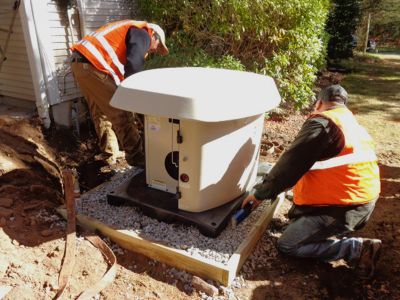
Once the HOA has approved the design and application, we move seamlessly into installation. Our technicians handle every step: preparing the concrete pad, running the fuel line, wiring the automatic transfer switch, and commissioning the system so it’s ready to perform from day one. Homeowners don’t need to coordinate multiple contractors or worry about whether the work meets safety codes—we provide a turnkey solution from start to finish.

Ongoing Service and Maintenance Plans

And our commitment doesn’t stop once the installation is complete. Tower Generator offers ongoing maintenance plans and 24/7 service to ensure your generator remains reliable for years to come. Weekly test cycles, seasonal inspections, and emergency service are all part of our proactive approach to keeping your system in peak condition. For HOA homeowners in particular, this means never having to worry about compliance issues resurfacing down the line—your generator will always meet standards and be ready when it’s needed most.

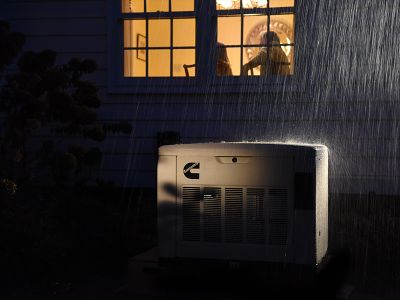
Residential generator in a storm at night outside of a house with a window showing people inside with the lights on

Power For Your Home When You Need It

Whether you’re looking to protect your family from outages or need guidance navigating your HOA’s approval process, Tower Generator delivers unparalleled expertise, cutting-edge technology, and round-the-clock support. With comprehensive preventive maintenance programs and 24/7 emergency service, we ensure that once your generator is installed, it will be ready to perform when you need it most.

Trust Tower Generator for Your HOA Community Standby Generator Installation

For nearly 30 years, Tower Generator has been the trusted standby power partner across Connecticut, Western Massachusetts, and Eastern New York. We proudly manage 100% of your project, 100% of the time. From navigating HOA approvals and preparing applications to designing compliant systems, expert installation, and ongoing maintenance, we handle every detail on your behalf.

As authorized dealers for industry leaders like Rehklo (formerly Kohler), Cummins, Generac, Briggs & Stratton, and ASCO, we maintain one of the region’s largest inventories. That means faster approvals, quicker installation timelines, and less disruption for your household, so you can get the reliable backup power you need without the stress.

Don’t let HOA red tape or community restrictions stand between you and the peace of mind a standby generator provides. Contact Tower Generator today to schedule your free residential consultation and discover how simple and stress-free reliable backup power can be.