Why Now Is a Smart Time to Upgrade Your Old Generator
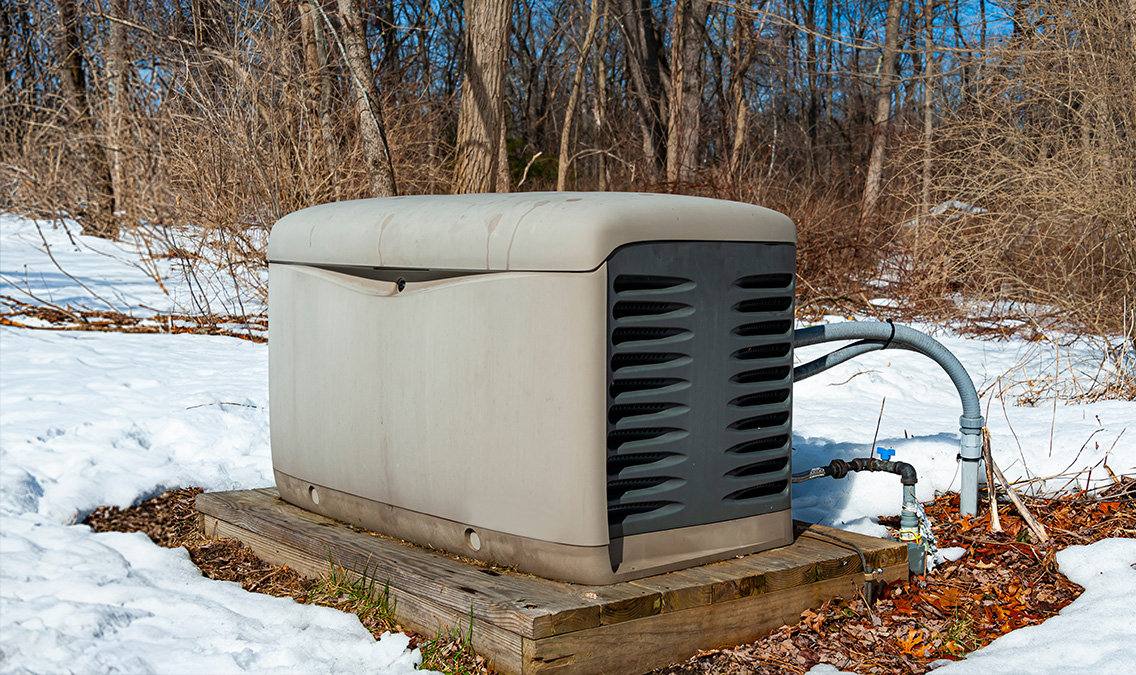
When an Aging Generator Becomes a Risk Instead of a Safeguard
A standby generator is not something most people think about until the power goes out. When it works, it is easy to assume everything is fine. But if your generator is ten, fifteen, or even twenty years old, it may no longer be delivering the level of protection you expect or need.
Technology, power usage, and reliability standards have changed significantly over the past decade. While older generators were built to last, many are now operating beyond their ideal service life. Continuing to rely on outdated equipment can increase risk, raise maintenance costs, and leave you vulnerable during extended outages.
Understanding when and why to upgrade allows you to make a proactive decision, rather than reacting to a failure at the worst possible time.
Power Demands Have Increased Across Homes and Businesses
The way properties use electricity has changed dramatically. Modern homes often include smart devices, advanced HVAC systems, electric vehicle chargers, home offices, and greater reliance on Wi-Fi and connected systems that need steady power. Commercial facilities also depend more heavily on technology, automation, security, and digital infrastructure than they did when many older generators were installed.
Older generators were sized based on the electrical loads at the time of installation, and those assumptions may no longer match how your property operates today. As demand increases, an aging system may struggle to support what you now consider essential, which can lead to overload conditions, forced load shedding, or gaps in coverage during an outage. Upgrading creates an opportunity to re-evaluate priorities and size the generator correctly so critical systems stay online without placing unnecessary strain on the equipment.
The True Cost of Maintaining an Aging Generator
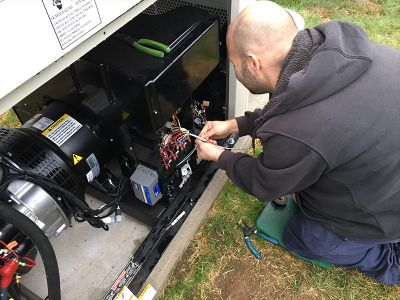
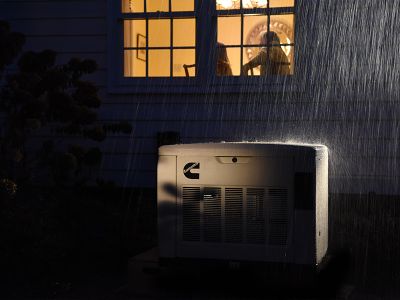
As generators age, maintenance costs tend to rise. Parts wear out more frequently, systems lose efficiency, and repairs become less predictable. While routine service is expected, repeated breakdowns and emergency calls often point to age-related decline, not simply a missed tune up or one off issue.
There is also the hidden cost of uncertainty. An older generator that needs frequent attention can still leave you questioning whether it will perform when an outage occurs, which is especially concerning for businesses and facilities where downtime can mean lost revenue, safety concerns, or operational disruption. Upgrading shifts you away from reactive repairs and toward long-term reliability, with more predictable performance and fewer surprises over time.
How Tower Generator Helps You Upgrade with Confidence
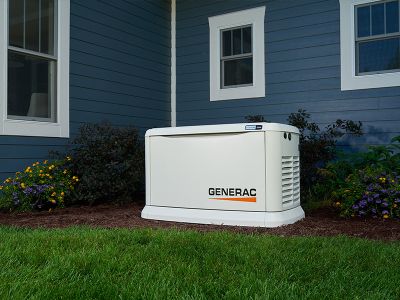
Deciding whether to upgrade a generator should be based on careful evaluation, not pressure or assumptions. Tower Generator works closely with homeowners, businesses, and municipalities to assess existing systems and determine the best path forward based on performance, risk, and long-term value.
That process includes reviewing your current generator’s condition and performance, evaluating your present day power needs, and recommending solutions that align with your property and budget. Professional installation then ensures the system is properly sized, safely integrated, and set up to operate as intended during an outage.
After installation, Tower Generator continues to support your investment through ongoing maintenance and service plans. The goal is not simply to replace equipment, but to deliver dependable backup power and lasting peace of mind with a system you can trust when it matters most.
Planning Ahead Makes All the Difference
Upgrading your generator before it fails allows you to plan on your timeline rather than reacting to an emergency. It gives you the opportunity to take advantage of modern technology, improved efficiency, and greater reliability without the stress of an unexpected outage.
If your generator is aging or struggling to meet your needs, now is the right time to explore your options. Contact Tower Generator to schedule a professional evaluation and learn whether upgrading your system is the best choice for your home, business, or facility.