How Commercial Standby Generators Protect Business Operations and Profit
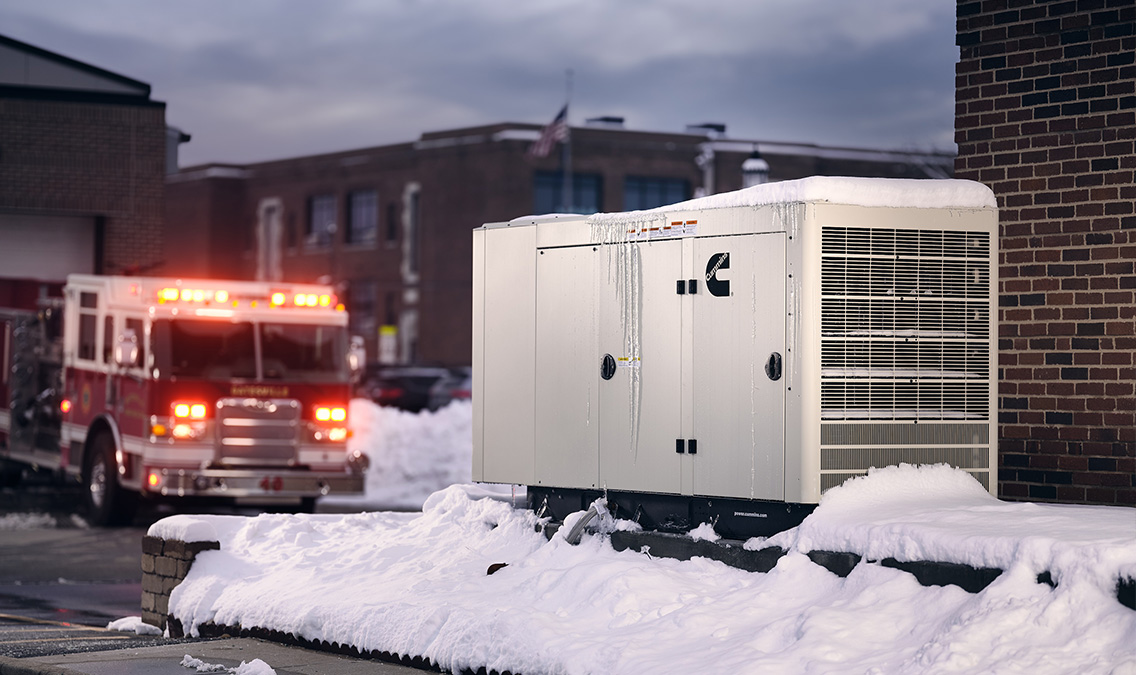
When the Grid Fails, Your Business Shouldn’t
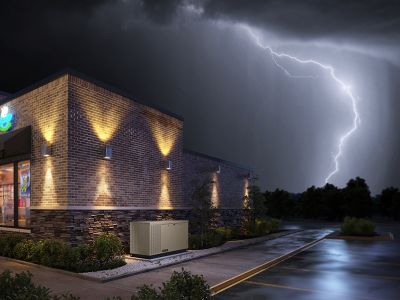
Power is one of the most important components of modern business operations. Most commercial buildings depend on electricity to keep systems running, products stored safely, people productive, and customers satisfied. Yet utility power can be unpredictable. Outages happen with little warning. During extreme weather events, utilities can be overwhelmed for hours or days. According to one recent energy industry report, Americans experienced more than 11 hours of outages last year on average, nearly twice the average of the past decade. Most of that time was caused by severe weather events.
When the lights go off at a commercial facility, revenue generation, safety systems, inventory protection, customer service, and staff productivity are all at risk. That’s why many business leaders are investing in commercial standby generators to protect operations and improve reliability. A standby generator is an investment in continuity. It keeps power flowing when the grid fails and allows your business to stay open and productive.
Power Outages Are More Frequent and Costly Than Most People Realize
Electrical grids nationwide are facing growing challenges. Extreme weather events are becoming more common. Aging infrastructure is stressed by rising demand. Outages that once happened occasionally now occur at rates that many businesses find unacceptable. According to an analysis by Thunder Said Energy, the United States sees hundreds of grid outages per year with a median duration of about five hours and a significant number lasting longer than a full business day.
Even short interruptions can cause serious operational problems. Equipment may shut down unexpectedly. Computers and servers can lose data. Refrigeration systems may fail and cause inventory to spoil. For many industries, the costs begin rising as soon as the power goes off.
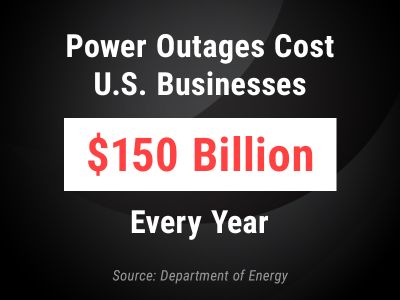
The U.S. Department of Energy reports that power interruptions cost American businesses more than $150 billion per year. Those costs include lost productivity, spoiled goods, emergency repairs, supply chain disruption and lost customer trust.
These figures make one thing clear. Outages are not just inconvenient for businesses. They represent real financial risk.
What Is a Commercial Standby Generator and How Does It Work?
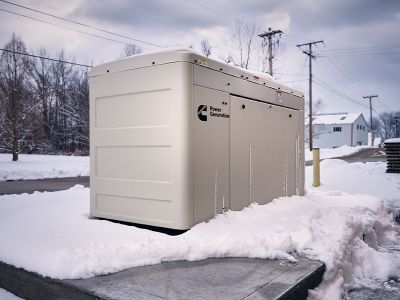
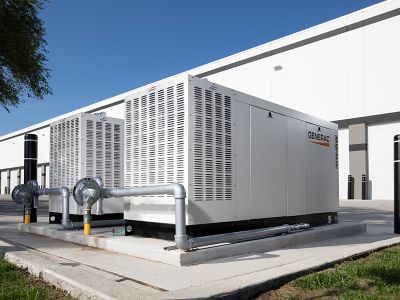
A commercial standby generator is a permanently installed power system that turns on automatically when it detects loss of utility power. It connects to your facility’s electrical system and is sized to meet the required electrical load. A transfer switch senses a power interruption and starts the generator within seconds. Once utility power returns, the system switches back automatically without any disruption to protected systems.
Standby power systems are designed to operate reliably for long periods and support building systems without requiring staff to intervene manually. This means operations can continue with minimal disruption even during extended outages.
Commercial standby generators differ significantly from portable generators, which are smaller, require manual setup, and are not designed for long-term use nor powering an entire building. Commercial generators are typically very large, diesel-fueled units that can run large loads for extended periods of time.
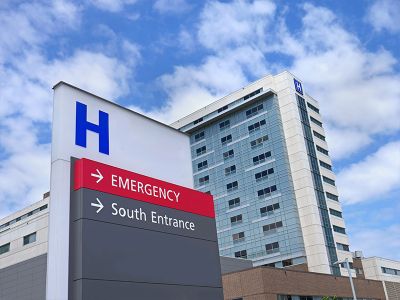
Industries That Benefit from Standby Power
Standby generators are an invaluable resource to have in virtually every commercial setting. Some examples include:
- Healthcare facilities where equipment must remain powered
- Data centers that require constant uptime
- Grocery stores with perishable inventory
- Manufacturing facilities with critical production lines
- Financial institutions that process transactions
- Educational campuses where security and climate control are essential
- Municipal and emergency services that must remain operational
Any facility that depends on continuous electricity can benefit from standby power.
Choosing the Right Generator for Your Business
Selecting the right generator involves more than just picking a size. A comprehensive assessment of your power needs is essential. This will help determine what systems must be supported in an outage and what size generator is needed to meet that load. Fuel type choices (such as diesel, natural gas or propane) affect cost, maintenance and runtime. Proper installation and maintenance are key to ensuring that the system performs reliably when needed most.
Working with an experienced commercial generator provider ensures the system is designed correctly, installed to code, and supported with regular servicing.
Trust Tower Generator for Continuous Commercial Power
Power outages happen unpredictably and more often than many businesses assume. They interrupt operations, risk inventory and cause financial losses. A commercial standby generator provides a reliable source of power when utility service fails. It protects revenue, safeguards data, maintains safety systems, enhances reliability and strengthens customer trust.
Investing in standby power is not just a technical decision. It’s a strategic business choice that protects your bottom line and prepares your company for a future where reliability matters more than ever.
If your business does not yet have a standby generator, or you need service on an existing system, contact Tower Generator. Our team will help design the right solution for your facility and ensure your operations stay powered even when the lights go out.