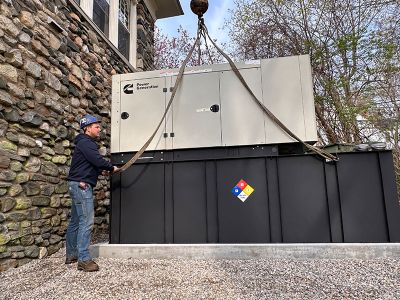
2026 Standby Generator Technology Trends to Watch
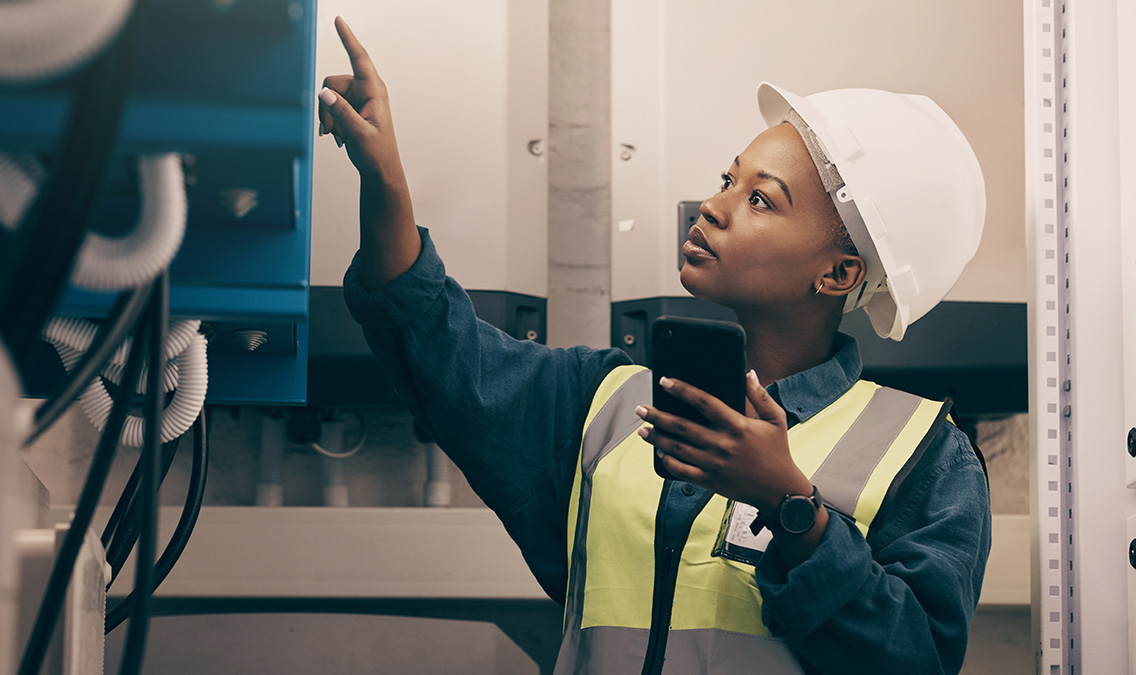
Rising Expectations for Reliable Power
Electricity powers nearly every aspect of modern life. From keeping businesses operational and security systems online to providing lighting, climate control, and everyday comfort at home, reliable power is no longer a convenience. It’s a necessity. When the grid goes down, even briefly, the impact can be immediate and disruptive.
As expectations for reliability continue to rise, standby generators are becoming a critical part of how homes, businesses, and municipalities protect themselves against downtime. At the same time, generator technology itself is advancing quickly. Today’s systems are more intelligent, efficient, and connected than ever before.
Why Standby Generator Technology Is Changing
As homes, businesses, and municipalities become more dependent on continuous power, expectations for backup systems are rising. Standby generators are no longer judged solely on whether they turn on during an outage. They are expected to operate efficiently, communicate clearly, integrate with other systems, and remain reliable over time.
In response, manufacturers are focusing on smarter controls, improved performance, and designs that better align with how people actually use power today. The following trends highlight how standby generator technology is evolving to meet those expectations, and what those changes could mean for anyone planning to install, upgrade, or rely on backup power in 2026 and beyond.
Smarter Monitoring and Remote Diagnostics
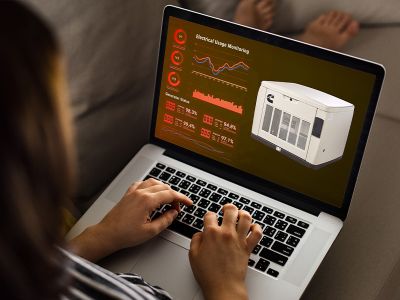
One of the biggest advancements in standby generator technology is the rise of intelligent monitoring systems. Modern generators are increasingly equipped with advanced software and mobile connectivity that allow owners and service providers to track performance in real time.
Leading manufacturers are investing heavily in these capabilities. Platforms such as the KOHLER Energy Management App, Cummins PowerCommand Cloud, and Generac’s WiFi-enabled generator monitoring systems give users visibility into generator status, alerts, and system health from virtually anywhere.
What’s Changing
- Mobile apps that display generator status, run hours, and alerts
- Automatic notifications if a system detects an issue
- Remote diagnostics that allow technicians to identify problems before dispatching a service call
Why It Matters
For homeowners, this technology provides greater peace of mind. You do not have to wonder whether your generator will work when the power goes out. You can check its status instantly. For those who travel frequently or manage multiple properties, remote monitoring adds an extra layer of confidence.
For businesses, smarter diagnostics translate to faster response times and reduced downtime. Issues can often be identified and addressed before they escalate into full failures. As these systems become more advanced, professional installation and proper configuration remain essential to ensure monitoring tools function as intended.
Improved Fuel Efficiency and Load Management
Fuel efficiency has always been important, but newer standby generators are becoming significantly smarter about how power is distributed during an outage.
What’s New
- Enhanced load-shedding technology that prioritizes essential systems
- Smarter power management that adjusts output based on demand
- Reduced fuel consumption during extended outages
Customer Benefits
Instead of running at full capacity at all times, newer systems intelligently manage power usage. This results in lower fuel costs, longer run times during extended outages, and reduced strain on the generator itself.
For homeowners, this can mean maintaining heat, refrigeration, and essential appliances without unnecessary fuel use. For businesses, intelligent load management supports continuity while helping control operating costs during prolonged outages.

Quieter, More Neighborhood-Friendly Designs
Noise has long been a concern for standby generators, especially in residential areas and HOA-governed communities. Manufacturers are responding by placing greater emphasis on sound reduction.
Industry Improvements
- Enhanced sound-dampening enclosures
- Improved vibration control
- Quieter engine operation
Why This Matters
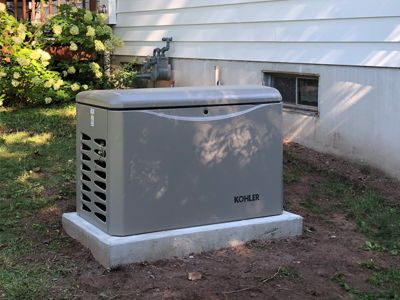
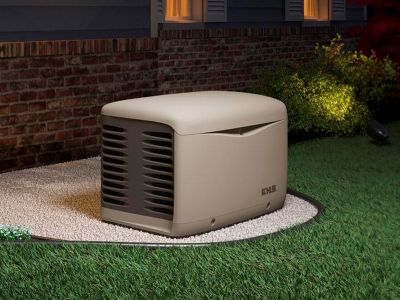
Quieter generators are better suited for residential neighborhoods, especially during nighttime outages. They also simplify the approval process in communities with strict noise ordinances or HOA guidelines.
This trend reflects a broader shift toward generators that blend more seamlessly into their surroundings, both visually and audibly, without sacrificing performance.
Integration with Smart Homes and Energy Systems
Standby generators are no longer standalone machines that activate only during emergencies. Increasingly, they are becoming part of a home or building’s broader energy ecosystem.
Emerging Capabilities
- Compatibility with smart electrical panels
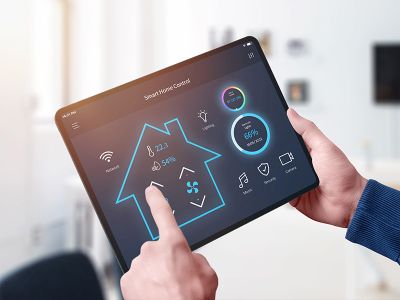
- Integration with home automation systems
- Improved coordination with energy-efficient appliances
What This Means for Owners
These integrations allow for more precise control over what receives power during an outage. In some cases, users can customize priorities through an app or smart panel interface.
As energy usage becomes more data-driven, generators are evolving from simple backup devices into intelligent energy management tools that support efficiency even when utility power is unavailable.
Predictive Maintenance and Preventive Service Technology
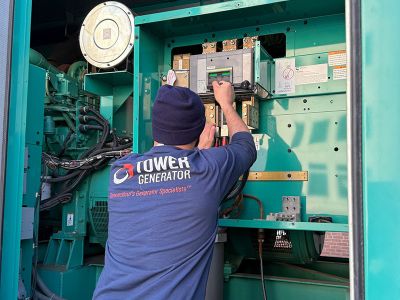
Another major trend shaping the future of standby generators is predictive maintenance. Rather than relying solely on time-based service intervals, newer systems are beginning to assess performance data to anticipate issues before they cause failures.
What’s Changing
- Usage-based maintenance reminders
- Early detection of wear or performance irregularities
- Alerts that prompt service before breakdowns occur
Why It’s Valuable
Predictive maintenance helps reduce unexpected outages, extend equipment lifespan, and ensure systems are ready when they are needed most. While technology can identify potential problems, trained technicians remain essential for diagnosing and resolving issues correctly.
Enhanced Reliability Through Better Design and Testing
While smart features often receive the most attention, manufacturers are also investing heavily in improving the core reliability of standby generators.
Behind-the-Scenes Improvements
- More rigorous factory testing
- Enhanced weather resistance
- Improved components designed for long-term durability
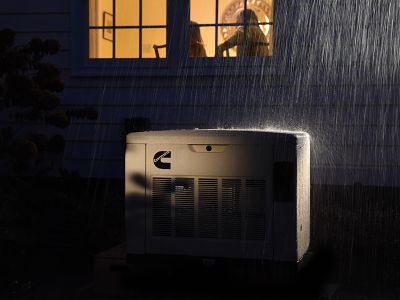
These refinements help ensure generators perform consistently under demanding conditions, from extreme cold to prolonged outages.
Choosing the Right Technology, Not Just the Newest
With so many advancements on the horizon, it can be tempting to assume that newer is always better. In reality, the best standby generator is the one that is properly sized, professionally installed, and maintained to match your specific needs.
Not every feature is necessary for every home or business. A small residential system may benefit most from quiet operation and remote monitoring, while a commercial facility may prioritize load management and diagnostic capabilities. Working with an experienced generator provider helps ensure technology choices align with real-world requirements.
Looking Ahead with Confidence
As standby generator technology continues to evolve through 2026 and beyond, one thing remains constant. Reliable backup power depends on more than just equipment. It requires thoughtful planning, expert installation, and ongoing service. At Tower Generator, we stay informed on the latest industry advancements so we can help customers make smart, future-ready decisions without unnecessary complexity or cost.
If you are planning to install a standby generator, upgrade an existing system, or want guidance on which technologies make sense for your situation, contact Tower Generator today. Our team is ready to help you protect your home or business with a properly designed, dependable backup power solution.