
Natural Gas, Propane or Diesel: Which Generator Fuel Is Right for You?
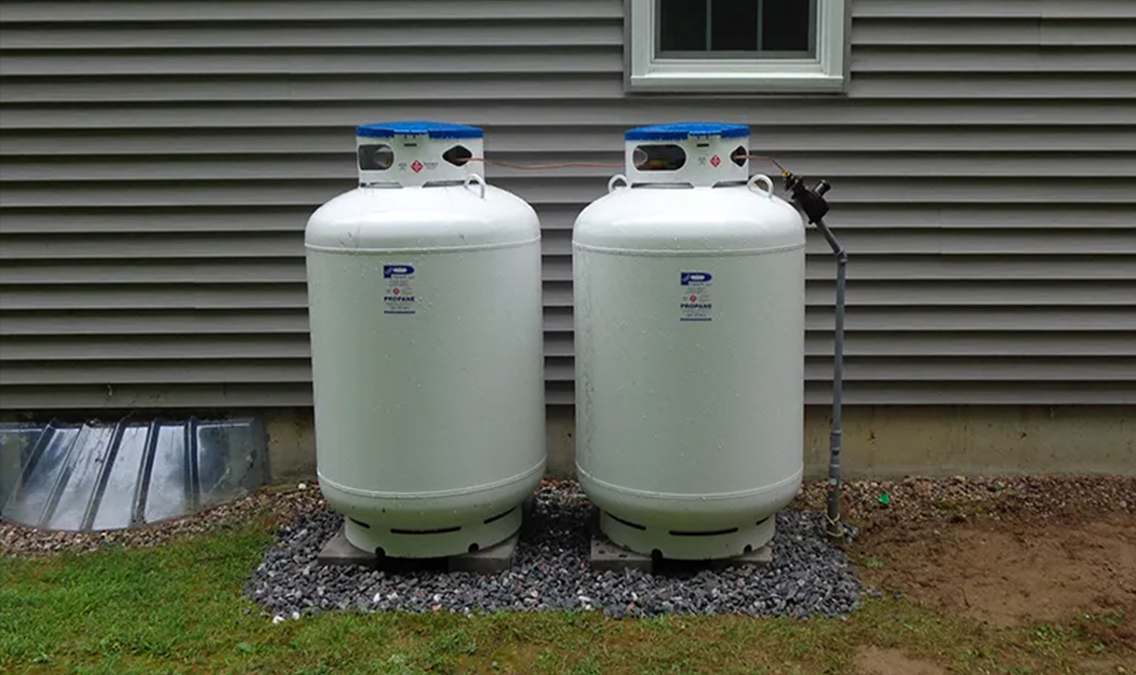
Choosing the Right Fuel Is Part of Choosing the Right Generator
When planning a backup power system, one of the first questions is what fuel is available at the property. Natural gas, propane, and diesel can all provide reliable backup power, but each comes with different requirements for supply, storage, installation, runtime, and maintenance.
There isn’t one fuel source that’s right for every property. Natural gas may be a logical choice when utility service is available, while propane is often used when it isn’t. Diesel is more commonly considered for larger or critical applications where onsite fuel storage and extended runtime are priorities.
Fuel Availability, Supply, and Runtime Shape the Decision
Fuel availability often narrows the options before other factors are considered. If adequate natural gas service is available, it may be a logical choice. If it isn’t, propane is commonly considered, particularly for residential installations.
How the fuel is supplied also matters during an emergency. Natural gas does not require onsite refilling, but it depends on utility infrastructure that can potentially be disrupted by infrastructure damage, emergency shutoffs, or other major events. Propane and diesel are stored onsite, reducing that dependency, but the available supply is finite.
Expected runtime should therefore be part of the planning process. A home or business may need backup power for several hours or days, while hospitals and other critical facilities may need to plan for extended operation with substantial onsite fuel reserves.
Tank capacity, generator size, electrical load, fuel availability, and refueling logistics all influence how long a system can operate during an outage.
Generator Size and Application Matter, Too
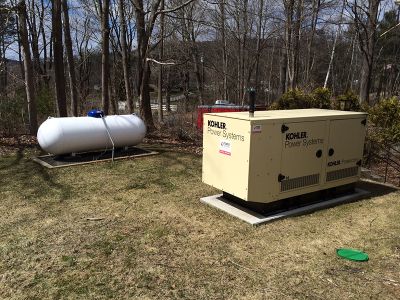
Fuel type shouldn't be selected independently of generator size or how the property will use backup power. A homeowner may need to support heating or cooling, refrigeration, pumps, lighting, and other household systems, while commercial and municipal properties may have significantly larger electrical loads.
Natural gas and propane are often practical choices for commercial applications when they can support the required generator. Both are cleaner-burning than diesel and can involve less fuel-related maintenance, making them cost-effective options for many facilities.
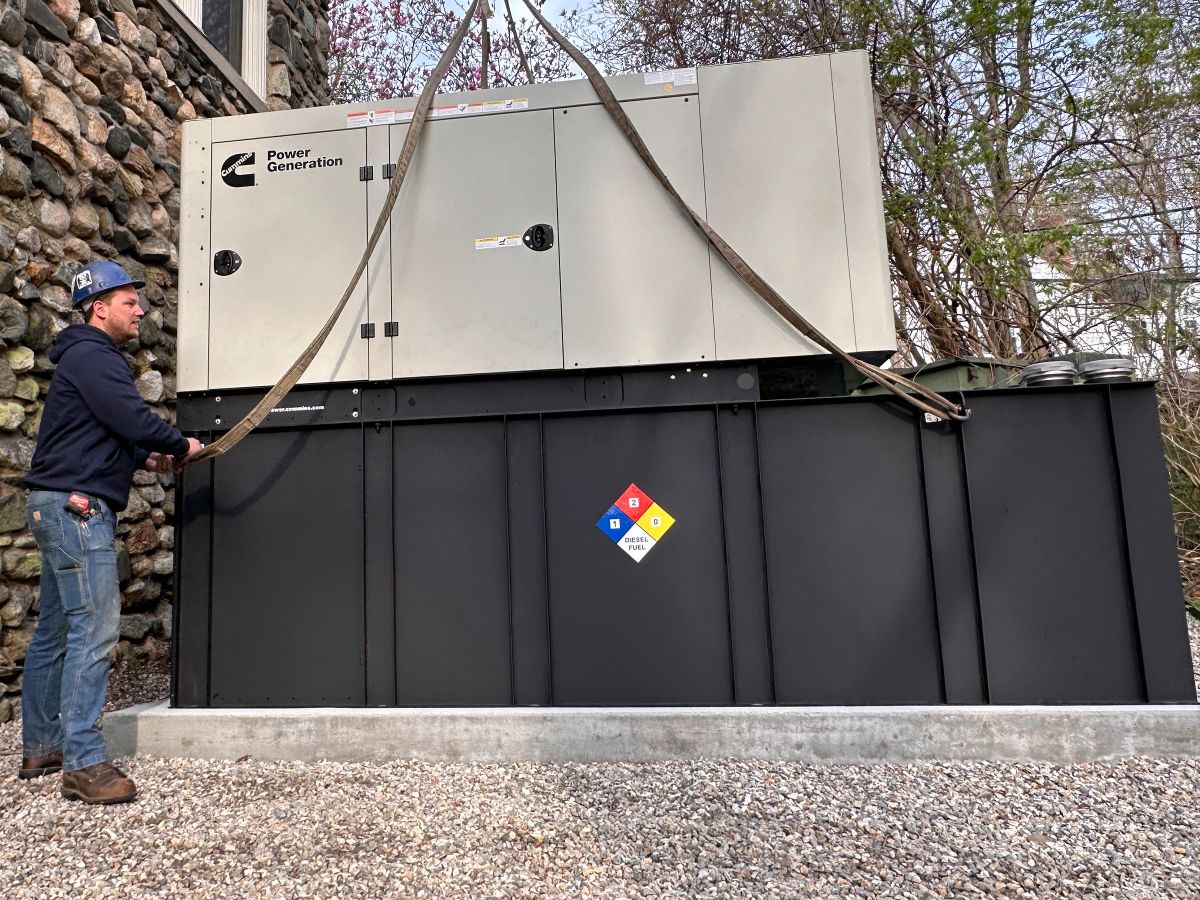
Diesel becomes more relevant when the application requires larger equipment, dedicated onsite fuel storage, or extended emergency operation. Electrical load, generator size, fuel availability, and application should all be evaluated together.
Consider the Property and Installation Requirements
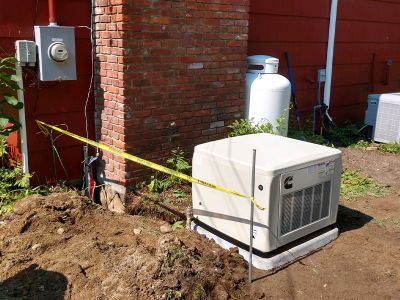
The fuel source can affect where equipment is placed, what infrastructure is required, and how the installation needs to be planned. A natural gas installation may require review or modification of existing gas service, while propane and diesel systems require suitable space for fuel storage.
Generator placement and installation planning should also account for:
- Property layout and available space
- Fuel piping or tank location
- Electrical connections
- Equipment delivery and service access
- Exhaust and ventilation
- Required clearances
- Local permitting and inspection requirements
These factors can affect the feasibility, cost, and timeline of an installation. Reviewing them during the site assessment helps avoid selecting a generator or fuel source that isn't a good fit for the property.
Plan for Long-Term Fuel and Maintenance Needs
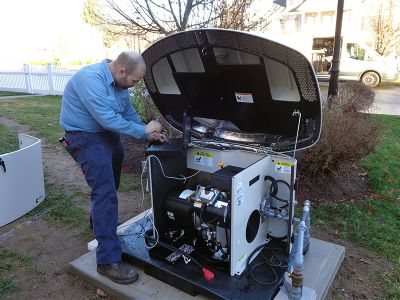
Every standby generator requires regular inspection, testing, and Preventative Maintenance. The fuel source can also influence the type and amount of ongoing service required.
Natural gas and propane systems require routine inspection of fuel connections and related components. Diesel systems typically require additional attention to stored fuel, filters, and fuel-system condition, which can make maintenance more involved and costly.
Diesel fuel stored for extended periods should also be monitored for contamination and degradation. Testing, treatment, and fuel polishing can help address water, particulates, microbial growth, and other contaminants before they affect generator operation.
For propane and diesel systems, owners should also plan for monitoring fuel levels and securing additional fuel during a prolonged outage.
The Right Fuel Depends on the Property and Application
There is no simple answer to whether natural gas, propane, or diesel is "best." The right choice depends on fuel availability, electrical load, expected runtime, site conditions, storage requirements, and how the generator will be used.
For many homeowners, availability narrows the decision quickly. Natural gas may make sense when adequate service exists, while propane is commonly used where it does not. Commercial applications often use natural gas or propane, while diesel is generally more relevant for hospitals, critical facilities, municipalities, and other applications where bulk onsite storage and extended runtime are important.
That’s why generator selection should start with the property and its backup power requirements rather than with a predetermined fuel type.

Find the Right Backup Power Solution with Tower Generator
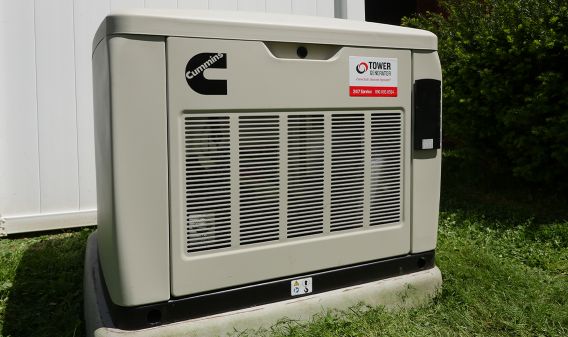
Tower Generator offers standby generator solutions fueled by natural gas, propane, and diesel for residential, commercial, and municipal applications. Our team evaluates all electrical requirements, site conditions, available fuel sources, and backup power priorities before recommending a system.
From equipment selection and system design to permitting, site preparation, installation, testing, and long-term service, Tower Generator manages 100% of the project, 100% of the time.
Whether you're comparing fuel options for a new standby generator or replacing an existing backup power system, Tower Generator can help determine the solution that makes sense for your property.