What Municipalities Should Consider When Planning Emergency Power
Reliable Emergency Power Starts with the Right Plan
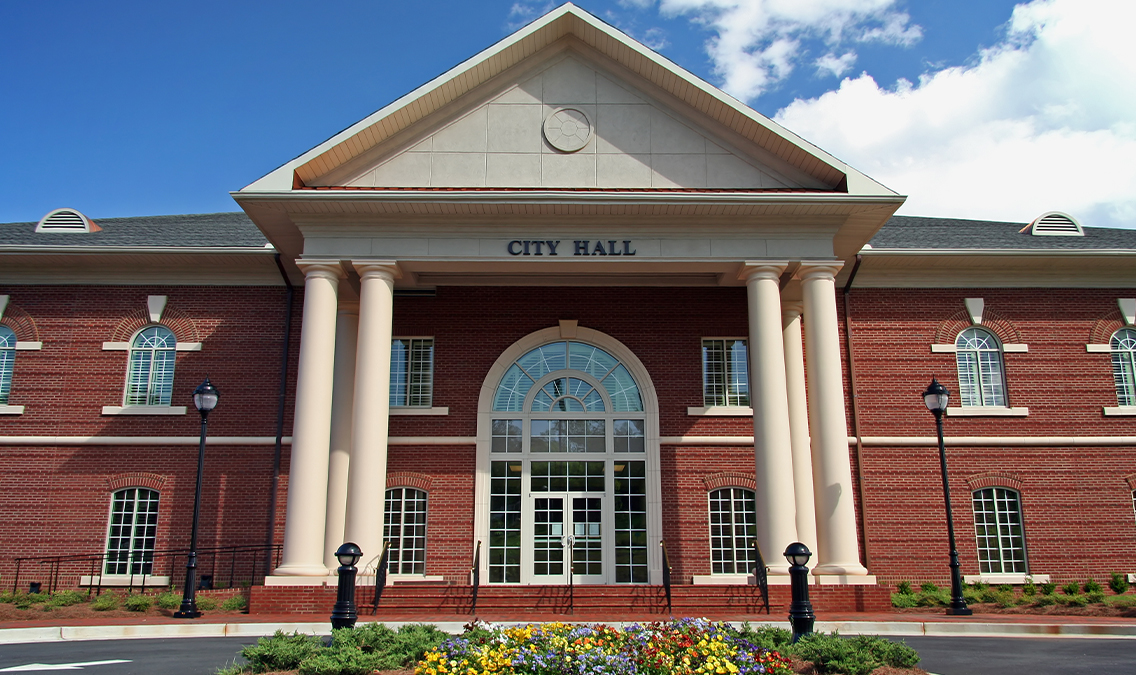
When power goes out, municipal facilities and infrastructure may need to remain operational to support emergency response, public works, water and wastewater systems, communications, and other essential services. During major weather events, municipalities may also need to power designated emergency shelters for residents without electricity.
That makes emergency power planning about more than selecting a generator. Each facility has different electrical loads, operating priorities, fuel requirements, and site conditions, so the right solution starts with understanding what needs to stay running and for how long.
Start with What Needs to Stay Operational
Before determining generator size or fuel type, municipalities should identify the facilities, systems, and equipment that are critical during an outage.
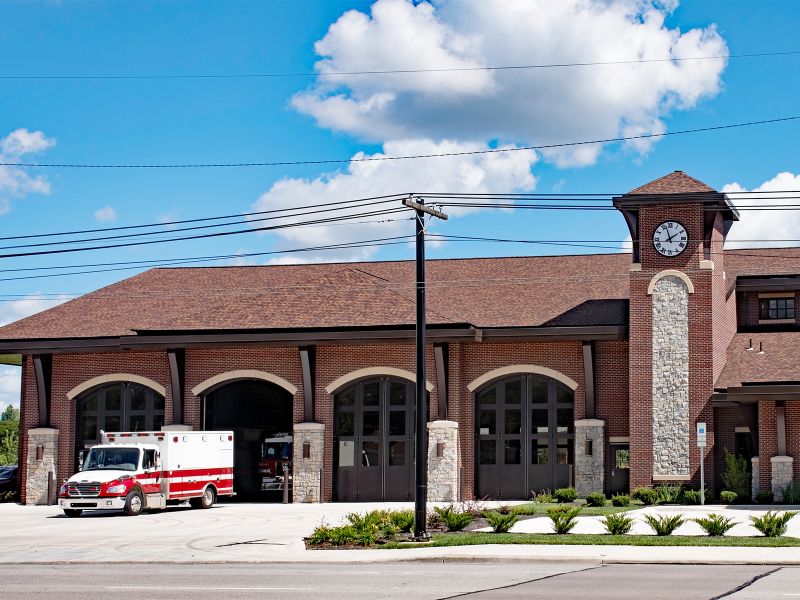
A fire station may need communications systems, overhead doors, lighting, and HVAC. Water and wastewater facilities may depend on pumps, controls, and monitoring equipment. An emergency shelter may need reliable power for the building systems required to remain open and support residents during an extended outage.
Municipalities should also determine whether each generator needs to support the entire facility or only selected critical loads. That decision directly affects generator sizing, transfer equipment, fuel requirements, and overall system design.
Plan for Emergency Shelter Power Needs
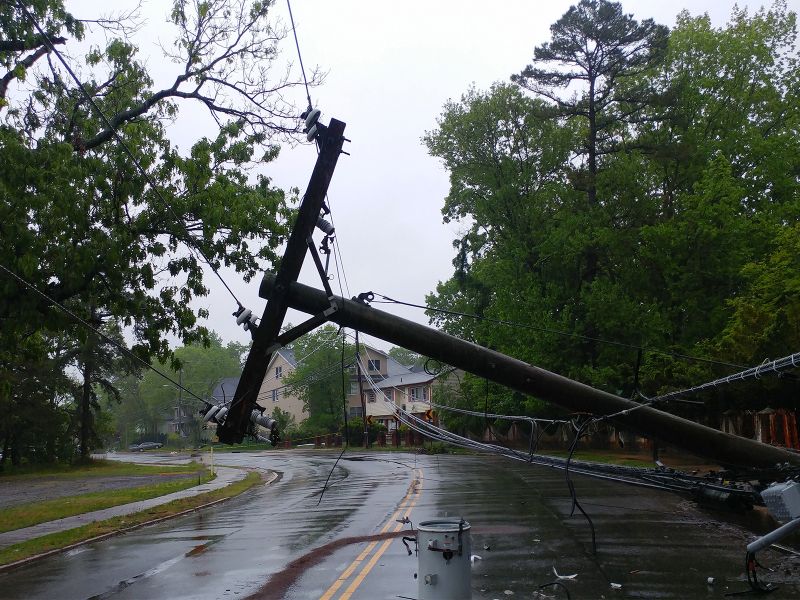
During a widespread outage, a municipality may need to open a designated shelter where residents who have lost power can go until conditions improve or utility service is restored.
That means emergency power planning should account not only for facilities that support municipal operations, but also for buildings that may take on an expanded role during a major weather event. The generator system needs to be planned around the equipment and building systems required to keep the shelter operational for the expected duration of an outage.
These needs should be evaluated before an emergency occurs. Understanding the facility's electrical load, identifying the systems that need backup power, and planning for fuel, runtime, testing, and ongoing maintenance can help ensure the location is ready when the community needs it.
Test the System Before an Emergency Happens
Installing the equipment is not the end of the project. Before a new emergency power system is placed into service, it needs to be started, safety checked, commissioned, and tested.
Technicians should verify generator operating conditions, electrical output, control settings, and automatic transfer switch operation. Testing may also include simulating a utility outage to confirm that the generator starts automatically, accepts the intended electrical load, and transfers the facility back to utility power correctly when service returns.
Depending on the system and application, additional testing may also be appropriate to evaluate generator performance under load. Final inspections and permit closeout should also be completed before the project is considered finished.

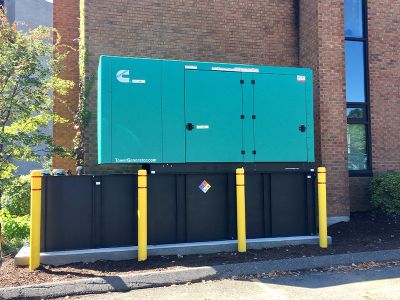
Emergency Power Planning Continues After Installation
A generator that worked correctly when it was installed still needs ongoing attention.
Batteries age. Fluids and filters require service. Fuel quality can change. Electrical and mechanical components can wear or develop problems. A system that runs regularly may also have different service needs than one that has only completed routine exercise cycles.
A Preventative Maintenance plan should account for the generator, transfer switch, starting system, fuel system, cooling system, electrical components, safety devices, and overall operation. Periodic testing gives technicians an opportunity to identify developing issues before the generator is needed during an actual emergency.
Municipalities should also consider what happens if the generator has a problem outside of a scheduled maintenance visit. Access to qualified emergency service can be especially important for facilities supporting critical community operations.
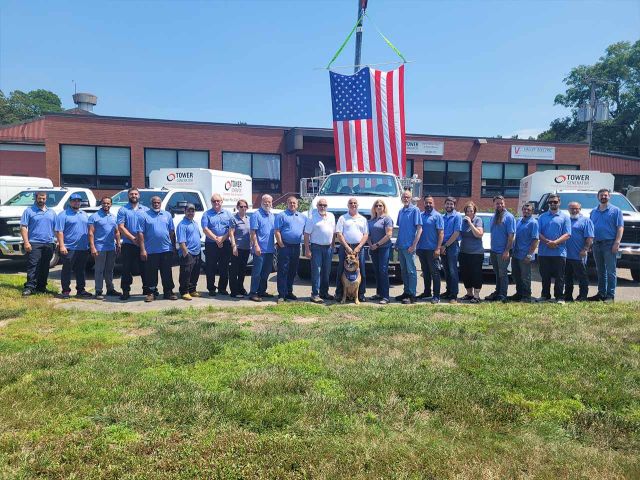
Tower Generator provides routine generator service as well as 24/7 emergency support for commercial and municipal systems.
Don't Overlook an Aging Emergency Power System
Emergency power planning isn't limited to new installations. Municipalities should periodically evaluate whether existing generator systems still meet the needs of the facilities they support.
Electrical demand may have increased since the generator was originally installed. A building may have added equipment, expanded operations, or taken on a more critical role in emergency response. Older systems may also require more frequent repairs or become more difficult to support as components age.
The decision to repair, upgrade, or replace an existing generator should consider its condition, capacity, service history, reliability, parts availability, and whether it can still support the facility's current emergency power priorities.
Evaluating these factors before a major failure gives municipalities more time to budget, plan, secure approvals, and complete the work without the pressure of an emergency replacement.
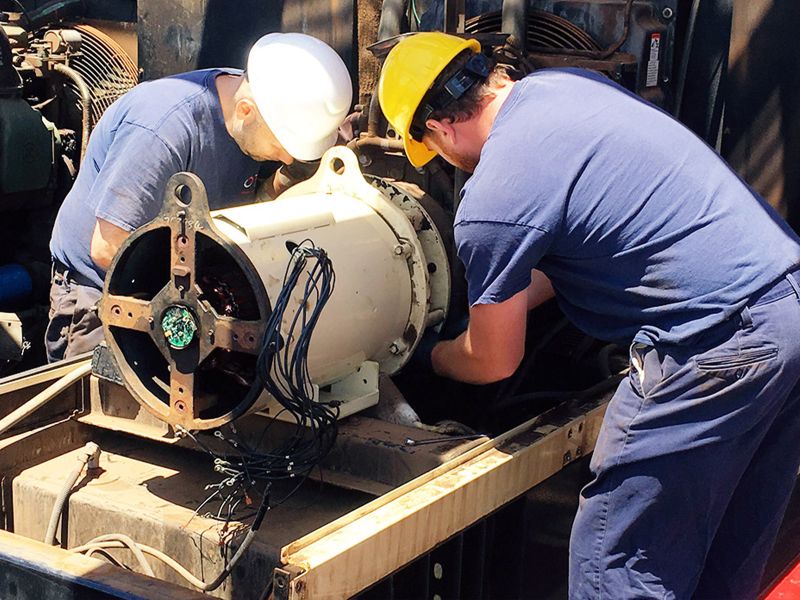

Why Turnkey Project Coordination Matters
A municipal generator project may involve engineers, site contractors, electricians, fuel professionals, equipment suppliers, utilities, inspectors, permitting officials, and multiple municipal departments.
When each portion is managed separately, coordinating schedules, responsibilities, paperwork, and project requirements can become complicated.
Working with an experienced turnkey generator partner can simplify that process. One team can help coordinate the project from the initial site assessment and system design through equipment selection, permitting, site work, installation, startup, inspections, and long-term service.
Tower Generator takes this approach across commercial and municipal projects, handling every aspect of generator installation and providing continued maintenance and emergency support after the system is operational.
Plan Municipal Emergency Power with Tower Generator
Reliable emergency power starts long before an outage. Understanding what needs to stay operational, correctly sizing the system, evaluating fuel and site requirements, preparing facilities that may serve as emergency shelters, navigating approvals, and planning for long-term service all contribute to a backup power system a municipality can depend on.
Tower Generator has provided backup power solutions for municipal and commercial customers throughout Connecticut, western Massachusetts, and eastern New York since 1997. Whether you're planning a new system, replacing aging equipment, or evaluating the emergency power needs of a municipal facility, Tower Generator can help guide the project from initial planning through installation and long-term service.