
What Does Professional Generator Maintenance Actually Include?
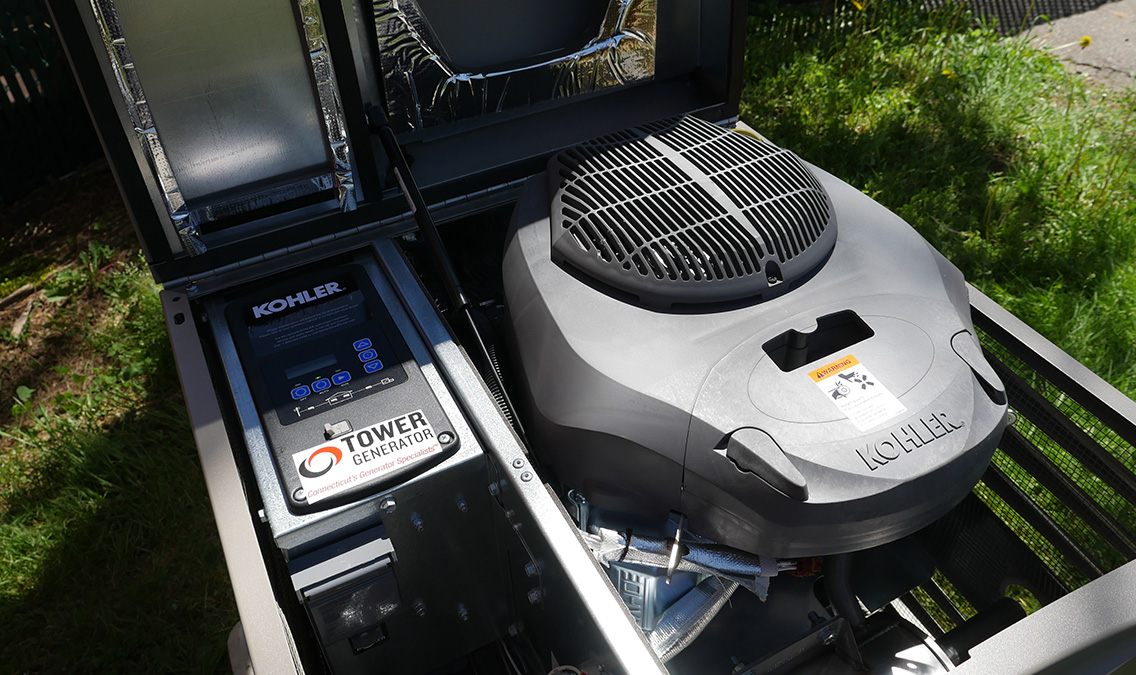
Reliable Backup Power Starts with Regular Maintenance
A standby generator may go long periods without being needed during an outage, but when utility power does go out, it must be ready to start and provide backup power as designed.
That reliability depends on more than occasionally starting the generator or changing the oil. A standby generator is a complete backup power system made up of mechanical, electrical, fuel, cooling, starting, and transfer components that all need to work together.
Professional generator maintenance plans are designed to inspect, test, service, and document those components before a problem leads to a failure during an outage. But what does a thorough maintenance visit actually include?
Professional Generator Maintenance Covers the Complete System
Oil and filter changes are important parts of generator maintenance, but they are only part of the process. A professional technician may inspect the battery and starting system, fuel and cooling components, engine, exhaust system, electrical connections, automatic transfer switch, safety devices, and overall generator operation. Depending on the type of service, maintenance can also include replacing filters, spark plugs, and other tune-up components.
The exact work required will vary based on the generator make and model, fuel type, age, application, operating hours, and manufacturer recommendations. That’s why professional maintenance should be based on the needs of the individual system rather than a one-size-fits-all checklist.

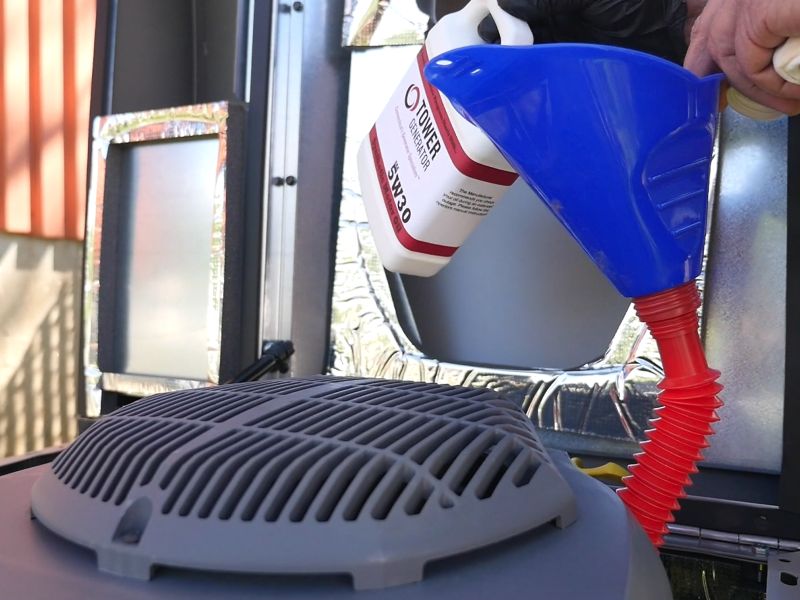
What Is Included in a Generator Tune-Up?
An inspection focuses primarily on evaluating the condition and operation of the generator. A Preventative Maintenance tune-up adds routine service and replacement of maintenance items.
Depending on the generator type and model, a professional tune-up may include:
- Changing the engine oil
- Replacing the oil filter
- Replacing the fuel filter, if applicable
- Replacing the air filter when necessary
- Replacing applicable spark plugs, points, condenser, distributor cap, and rotor
- Lubricating generator bearings, the fan shaft, water pump bearing, and governor linkage
- Completing applicable mechanical and electrical checks
Not every generator requires every item on this list. The work performed should reflect the type of generator, its maintenance requirements, and the components used in that particular system.
How Often Should a Standby Generator Be Serviced?
Some generator owners may schedule one annual Preventative Maintenance tune-up, while others may benefit from two service visits each year, such as a separate inspection and tune-up. In fact, most generator manufacturers recommend two service visits annually by a qualified technician.
The right schedule should be based on the recommendations in the generator owner’s manual and engine operator’s manual, along with the condition and service history of the equipment. Regular professional maintenance can help identify developing issues, keep critical components in proper working condition, and support reliable performance when backup power is needed.
Tower Generator offers Preventative Maintenance options that can include an annual tune-up or a combination of an annual inspection and annual tune-up, depending on the needs of the system.

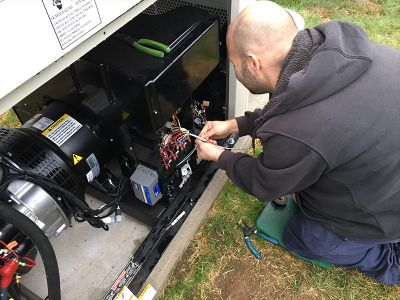
Additional Generator Services May Be Recommended
Routine inspections and tune-ups address many of the core maintenance needs of a standby generator, but additional services may be appropriate based on the equipment, operating conditions, or results of an inspection.
Optional services available through Tower Generator include:
- Oil sample analysis: Provides additional information about oil condition and potential engine concerns.
- Coolant sample analysis: Evaluates the condition of the coolant and cooling system.
- Coolant system flushing: Replaces coolant when testing or system condition indicates that service is needed.
- Rodent screening and exclusion: Helps protect generator components from rodent activity.
- Load banking: Tests generator performance under an electrical load.
Tower Generator can also assist with replacement or additional generators and rental equipment when those needs arise.
Not every system will require these services. A technician can recommend additional testing or maintenance based on the condition and requirements of the generator.
What Are the Benefits of a Preventative Maintenance Agreement?
Regularly scheduled service helps keep generator maintenance from becoming something that is only considered after a warning light, failed exercise cycle, or outage.
Tower Generator Preventative Maintenance agreements include onsite service from factory-trained and certified technicians, as well as the travel, labor, filters, and tune-up parts specified under the applicable agreement.
Maintenance agreement customers also receive priority service scheduling, access to 24/7 emergency repair service and support, and discounted rates on non-scheduled repair or emergency service visits.
These benefits give generator owners an established service plan and a team already familiar with maintaining backup power systems before an unexpected problem occurs.
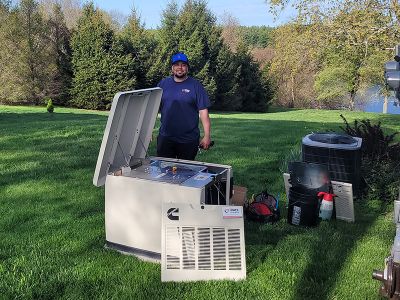
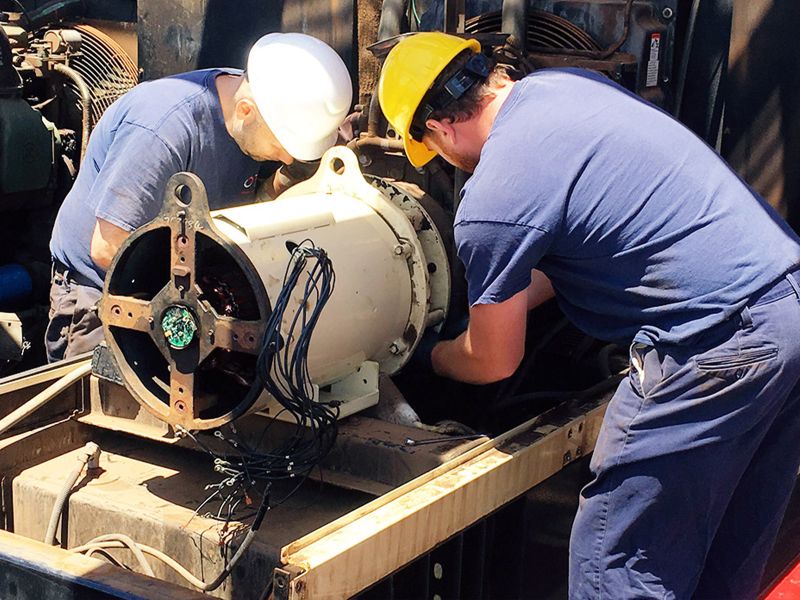
Keep Your Generator Ready with Professional Maintenance
A standby generator is installed for the moments when normal utility power is unavailable. Regular inspection and Preventative Maintenance help keep the entire backup power system ready when it’s needed most.
Tower Generator provides generator maintenance for residential, commercial, and municipal customers throughout Connecticut, western Massachusetts, and eastern New York. With annual inspection and tune-up options, additional testing and maintenance services, and 24/7 emergency repair support, Tower Generator can help customers build a service plan around the needs of their equipment.
Don’t wait for an outage to discover that your generator needs attention. Contact Tower Generator today to schedule generator maintenance or learn more about the Preventative Maintenance agreement that is right for your system.