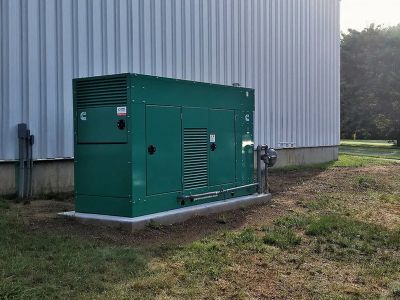
Protecting Critical Commercial Operations
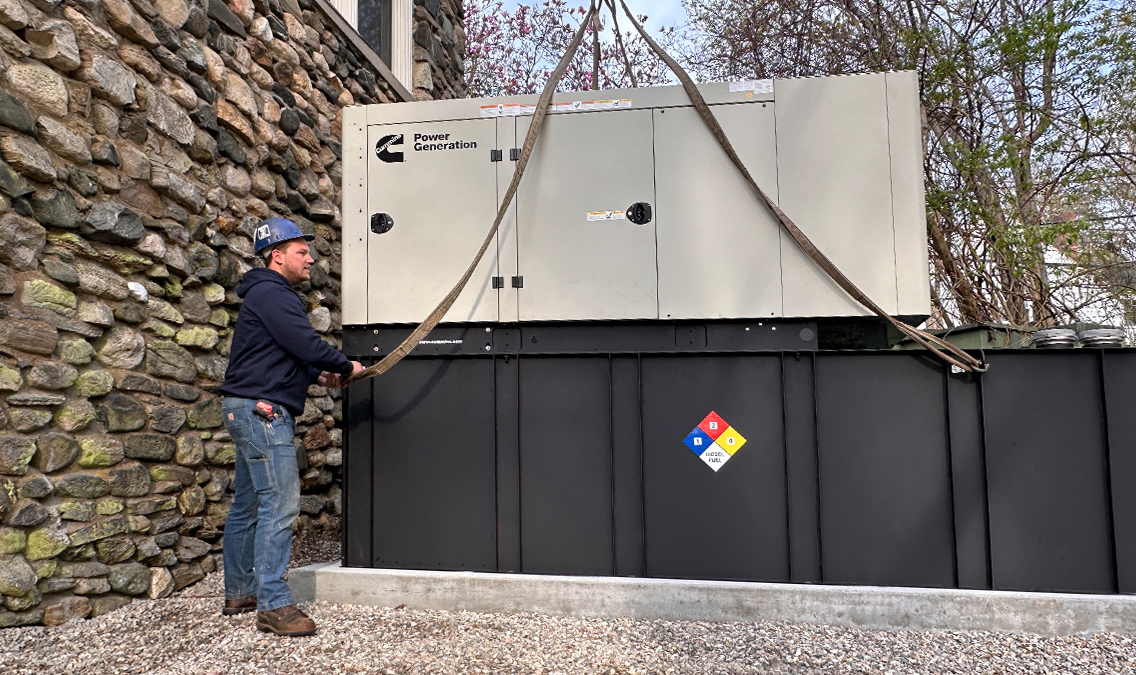
The Power of Standby Generators for Businesses

In the northeast, unpredictable weather, aging infrastructure, and grid vulnerabilities mean power outages are more than occasional inconveniences—they're serious threats to your business’s financial stability, employee safety, and hard-earned customer trust. Every minute without power risks lost revenue, operational breakdowns, and lasting reputational damage. Investing in a standby generator isn’t just smart—it’s essential. At Tower Generator, we understand the urgency of protecting critical operations across Connecticut, western Massachusetts, and eastern New York. In this article, we’ll show why standby power systems are non-negotiable, reveal the often-overlooked costs of downtime, and explain how our customized solutions deliver the ultimate defense for your business.

The True Cost of Commercial Power Outages

Power outages have immediate and severe consequences for businesses:

  • Revenue Loss: Downtime directly impacts sales, production, and service delivery, hitting retailers, manufacturers, and restaurants hard.
  • Data Loss and Recovery: IT-reliant businesses, including data centers, risk losing critical data, leading to costly recovery and further downtime.
  • Equipment and Inventory Damage: Healthcare, manufacturing, and food service sectors face inventory spoilage and equipment damage, creating operational hazards.
  • Reputation Damage: Consistent service interruptions erode customer trust, brand loyalty, and competitive advantage.
  • Safety and Security Risks: Outages compromise essential security systems, medical equipment, and facility operations, endangering staff and customers.

U.S. Department of Energy data indicates approximately $150 billion in annual losses for businesses due to power outages, with mission-critical sectors like healthcare and data management facing even greater financial risks.

High-Risk Industries Where Uninterrupted Power is Paramount

While all businesses face outage risks, certain sectors are particularly vulnerable, where continuous power is essential for operations, asset protection, and even life safety.

While the case studies highlight real-world examples from across the country, Tower Generator proudly serves businesses and institutions throughout Connecticut, western Massachusetts, and eastern New York—delivering the same level of critical protection and peace of mind.

1. Healthcare Facilities

Hospitals, outpatient clinics, nursing homes, and urgent care centers rely heavily on continuous electrical power to run critical, life-saving equipment.

  • Life Support Systems: Ventilators, dialysis machines, and cardiac monitors require consistent power. Even brief interruptions can be fatal for patients relying on these systems.
  • Operating Rooms: Surgeries cannot be performed safely without lighting, sterilization equipment, anesthesia machines, and electronic monitors. A mid-surgery outage without a backup generator could lead to tragic outcomes.
  • Vaccine and Medication Storage: Many medications, vaccines, and blood products must be stored at precise temperatures. A refrigeration failure during an outage can destroy essential supplies.
  • Electronic Medical Records (EMR) Systems: Hospitals increasingly depend on EMR systems for real-time access to patient information. Outages can paralyze workflows, delay care, and risk errors.

Case Study: During Hurricane Sandy, several hospitals in New York City experienced complete power failures. One prominent hospital was forced to evacuate over 300 patients—including those in intensive care—because of generator failure. Facilities that had properly maintained and sized standby generators, however, continued to provide critical care without disruption.

2. Data Centers and Server Farms

In the digital economy, data centers act as the backbone of countless businesses, from tech startups to multinational corporations. An outage here is not just about lights going out—it’s about massive financial and reputational losses.

  • Data Corruption and Loss: Abrupt shutdowns can lead to data corruption, loss of critical files, and lengthy restoration efforts that may not fully recover all information.
  • Cybersecurity Risks: During downtime, security systems can falter, leaving systems vulnerable to cyberattacks, breaches, and ransomware.
  • Service Interruptions: Businesses relying on cloud services, websites, or e-commerce platforms can experience complete shutdowns, alienating customers and damaging trust.
  • Cost of Downtime: According to the Ponemon Institute, the average cost of a data center outage is approximately $740,000, with critical industries often paying much more.

Case Study: In 2016, a major cloud services provider suffered a power outage in their primary data center. Despite redundant systems, a malfunctioning generator led to service disruptions affecting millions of customers worldwide. The event cost the company over $4 million in lost revenue and remediation expenses—and significantly damaged their reputation.

3. Manufacturing Plants

Manufacturing facilities are finely tuned machines where every second counts. Power outages ripple through the entire production cycle, leading to both immediate and long-term consequences.

  • Production Halts: Assembly lines, robotic arms, CNC machines, and environmental control systems all depend on steady power. Outages can halt production entirely, causing massive order delays.
  • Equipment Damage: Sensitive machinery can be damaged by sudden shutdowns or power surges when power is restored, leading to expensive repairs or replacements.
  • Inventory Loss: Some products require strict environmental conditions during manufacturing. Power loss could ruin entire batches, leading to expensive waste.
  • Contractual Penalties: Missing delivery deadlines can trigger contractual penalties, loss of clients, or permanent damage to business relationships.
  • Prolonged Recovery Times: Restarting a disrupted supply chain and recalibrating production lines can take days or even weeks—especially after significant equipment damage.

Case Study: A Midwest automotive parts manufacturer lost power for 18 hours due to a regional storm. Without backup generators, they missed delivery deadlines for multiple OEM customers. The fallout included $1.2 million in penalties and the permanent loss of two major contracts—highlighting how critical uninterrupted power is to the manufacturing sector.

4. Retail and Restaurants

Retailers and restaurants face immediate and tangible impacts when the power goes out—especially customer-facing businesses that rely on foot traffic, inventory freshness, and customer trust.

  • Lost Sales: Without lighting, payment systems, internet connectivity, or even basic heating and cooling, businesses often must close their doors, losing revenue with every passing hour.
  • Food Spoilage: For restaurants, grocery stores, and food retailers, outages cause refrigeration systems to fail, resulting in food spoilage, health risks, and wasted inventory.
  • Security Risks: Darkened stores become easy targets for theft and vandalism, especially if alarm systems and surveillance cameras are down.
  • Customer Loyalty: Frustrated customers turned away during outages may not return, especially if they find a competitor offering more reliable service.
  • Insurance Claims: Businesses may file insurance claims for spoiled goods or lost revenue, but payouts are often slow, partial, or denied without proper documentation.

Case Study: Following a widespread blackout in California, several high-end restaurants in the San Francisco area lost thousands of dollars in food inventory. One major restaurant estimated $40,000 in perishables were lost in less than 12 hours. Those with backup generators kept serving customers—and even picked up business from competitors who were forced to close.

5. Schools and Educational Institutions

Educational environments are highly dependent on technology and must prioritize the safety of students and staff. Power outages compromise both, threatening to disrupt daily operations and long-term planning.

  • Disrupted Learning: Technology is central to modern classrooms. Without power, students lose access to smart boards, computers, internet-based learning platforms, and lab equipment.
  • Safety Hazards: Emergency lighting, PA systems, fire alarms, and security systems often fail without power. In the event of an emergency evacuation or shelter-in-place order, the risks are magnified without reliable systems.
  • Facility Management: HVAC systems fail, causing discomfort during extreme weather conditions. Cafeterias lose the ability to safely store and prepare food for students.
  • Administrative Interruptions: Online records management, scheduling, and communications grind to a halt, making it difficult to inform parents and coordinate emergency responses.
  • Community Trust: Repeated outages without solutions erode parental trust in the school's ability to provide a safe, stable environment for learning.

Case Study: In Texas, a large public high school installed a commercial-grade backup generator system after experiencing a two-day outage during a winter storm. Thanks to the upgrade, when a second severe storm hit, they remained fully operational—offering a warm shelter to community members and maintaining instructional time when other schools closed.

The Crucial Role of Standby Generators in Business Continuity

Investing in a commercial standby generator strategically safeguards your bottom line, assets, and reputation beyond simple power restoration.

By integrating a standby generator into your business continuity strategy, you not only safeguard daily operations but also build long-term resilience against the unexpected.

CTA-Ensuring Operational Continuity
Ensuring Operational Continuity

Standby generators automatically activate within seconds of an outage, maintaining seamless operations for critical systems (servers, medical equipment, production lines) and ensuring customer satisfaction.

CTA-Protecting Sensitive Equipment and Data
Protecting Sensitive Equipment and Data

Reliable backup power prevents irreversible damage to vital medical, manufacturing, and IT investments from power surges or sudden loss.

CTA-Securing Facility Safety and Compliance
Securing Facility Safety and Compliance

Generators keep essential safety systems (emergency lighting, fire suppression, HVAC, security) operational, ensuring regulatory adherence and occupant safety during emergencies.

CTA-Providing Peace of Mind
Providing Peace of Mind

Proactive protection against unpredictable outages reduces leadership stress, allowing focus on innovation and growth.

Key Factors for Choosing a Commercial Generator

Selecting the right commercial generator involves more than just picking a unit off the shelf—it's a strategic decision that must align with your operational demands, facility environment, and long-term resilience goals.

  • Power Capacity & Load Management: Adequate support for critical operations without overload.
  • Fuel Type: Evaluate options (diesel or natural gas) based on cost, maintenance, run-time, and environment.
  • Automatic Transfer Switch (ATS): Essential for automatic power switchover.
  • Location & Environment: Proper siting, soundproofing, weather protection, and ventilation.
  • Regulatory Compliance: Adherence to all relevant safety and environmental codes.
  • Remote Monitoring & Alerts: Advanced systems for proactive issue management.

By carefully evaluating these key factors, businesses can invest in a generator solution that delivers reliable performance, ensures compliance, and provides lasting protection against costly downtime.
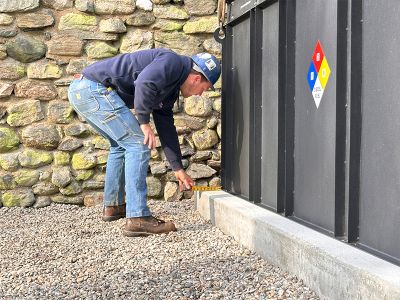
Safeguard Your Business Before the Power Fails

Unplanned outages can bring operations to a standstill—impacting safety, productivity, and customer trust. For hospitals, data centers, manufacturers, retailers, and schools, the cost of downtime far outweighs the investment in a reliable backup power system.

Tower Generator is your partner in power continuity, delivering expert design, seamless installation, and proactive maintenance tailored to your specific needs. Protect your operations, your people, and your reputation with Tower Generator.

Our turnkey solutions include:

CTA-Customized Power Planning
Customized Power Planning

We assess your unique operational demands to design a right-sized standby system.

CTA-Professional Integration
Professional Integration

From permits to utility coordination and final testing, our installation process ensures minimal disruption.

CTA-Preventive Maintenance
Preventive Maintenance

Scheduled inspections, load tests, and fuel/battery management keep your system ready when it matters most.

CTA-24/7 Emergency Response
24/7 Emergency Response

Count on our rapid-response team for support and repairs—anytime, day or night.

Schedule a Free Site Assessment with Tower Generator Today

For nearly 30 years, Tower Generator has been the trusted standby power partner for businesses across Connecticut, western Massachusetts, and eastern New York. We proudly manage 100% of the project, 100% of the time—from site assessments and system design to installation, maintenance, and replacement.

As authorized dealers for industry leaders like Rehklo (formerly Kohler), Cummins, and ASCO, we maintain one of the region’s largest inventories, allowing for faster installation timelines and minimizing operational disruptions for your business.

When it comes to powering commercial facilities—whether healthcare, education, manufacturing, retail, or beyond—Tower Generator has the expertise, resources, and responsiveness to handle your project with precision. Our comprehensive preventive maintenance programs and 24/7 emergency service ensure your operations stay protected at all times.

Don’t leave your business vulnerable to outages. Contact Tower Generator today to schedule your free commercial site assessment or to discuss backup power solutions tailored to your operations.