How to Prepare for Power Outages

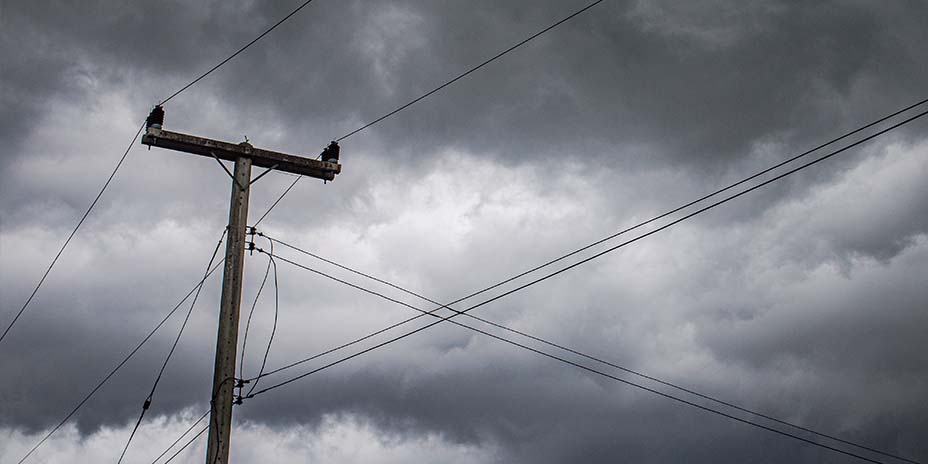
Power line with a stormy background

A Generator Readiness Checklist for Every Property Owner

When the power goes out unexpectedly, the impact can be immediate and far-reaching. For homeowners, outages can mean spoiled food, unsafe indoor temperatures, and interruptions to daily life. For businesses, downtime often leads to lost revenue and frustrated customers. And for municipalities, power loss can compromise public safety and disrupt critical community services.

In New England, where storms, hurricanes, and icy winters can leave neighborhoods without electricity for hours, or even days, being prepared isn’t optional. It’s essential.
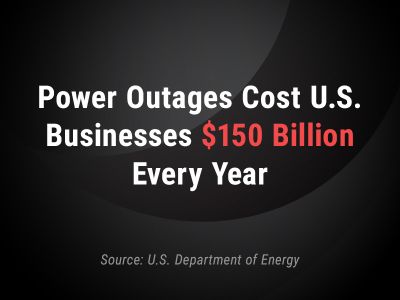
Power Outages Cost U.S. Businesses $150 Billion Every Year
Source: U.S. Department of Energy

Why Power Outage Preparation Matters

Power outages cost the U.S. economy billions annually. But beyond the dollars, they threaten comfort, safety, and security.

CTA-Residential Risk:
Residential Risk:

Frozen pipes, spoiled groceries, and health hazards for families relying on medical equipment.

CTA-Commercial Risk:
Commercial Risk:

Loss of income, damaged equipment, and supply chain interruptions.

CTA-Municipal Risk:
Municipal Risk:

Halted emergency response, unsafe public spaces, and disruption of schools, hospitals, and town facilities.

Be Ready Before the Lights Go Out

One of the most effective ways to stay ready is by having a dependable backup power solution. A standby generator provides peace of mind—keeping lights on, systems running, and operations steady even when the grid goes dark.

But owning a generator is only the first step. Regular maintenance and readiness checks are key to ensuring your system performs when it matters most. That’s where a generator readiness checklist comes in.

Residential home being powered by a generator

Generator Readiness Checklist: Prepping for a Power Outage

1. Perform a Test Run

Run your generator under load (simulating an outage) for at least 20 minutes.

  • Residential: Confirm essential systems (HVAC, refrigerator, lights) switch over seamlessly.
  • Commercial: Test critical systems like servers, security, and point-of-sale equipment.
  • Municipal: Verify that life-safety systems (alarms, emergency lighting, communication systems) activate.

2. Check Fuel Supply

Generators are only as reliable as their fuel source.

  • Ensure propane or natural gas lines are secure.
  • For diesel units, verify tanks are full and fuel is stabilized.

Tip: Fuel can degrade over time. Schedule regular checks and replace as needed to avoid clogs or startup failures.

3. Inspect Air Vents & Clear Debris

Blocked airflow is a safety hazard.

  • Residential: Clear fallen leaves, mulch, and lawn equipment from around the unit.
  • Commercial: Remove any trash, pallets, or storage materials that accumulate near the generator.
  • Municipal: Ensure fenced enclosures are free from clutter, snow, or overgrown vegetation.

Proper airflow prevents overheating and reduces fire risk.

4. Check Battery Health

Dead batteries are a leading cause of generator failure.

  • Inspect battery terminals for corrosion.
  • Test voltage and replace batteries nearing the end of their life cycle.
  • For critical facilities, maintain spares on hand.

5. Inspect Transfer Switches

An Automatic Transfer Switch (ATS) plays a crucial role in your standby generator system. It seamlessly transfers power from the utility to the generator during an outage and back again when utility power is restored. Because it handles high voltages and complex control circuitry, ATS inspection and maintenance should always be done by a qualified professional.

  • Most manufacturers recommend a comprehensive inspection and test every 12 months.
  • In hospitals, data centers, or other mission-critical facilities, inspections are recommended quarterly or semi-annually to ensure reliability.

6. Schedule Preventative Maintenance

Annual or semi-annual service keeps your generator in top condition. Professional technicians will:

  • Replace filters and fluids
  • Check belts, hoses, and wiring
  • Update software or monitoring systems
  • Verify compliance with manufacturer and NFPA standards

7. Review Emergency Procedures

A generator is just one part of a broader power outage preparation plan.

  • Residential: Make sure family members know how to operate safely around the unit.
  • Commercial: Train staff on what to do when the generator starts up, including IT procedures.
  • Municipal: Update emergency response protocols and share them with public safety departments.

8. Keep Service Contacts Handy

When an outage hits, you don’t want to scramble.

  • Store Tower Generator service contacts in your phone. (860.693.8554)
  • Ensure staff or family members know who to call for emergency service.
  • For municipalities, share contact details with your emergency management team.
Tower Generator employees working on a residential generator

Why Professional Service Matters

While property owners can handle basic checks, true reliability comes from certified service. Attempting DIY repairs can:

✗ Void warranties
Create safety hazards
Lead to costly downtime
Reduce equipment lifespan

Tower Generator is factory authorized on all major brands to provide:

✓ Expert installation
✓ Thorough safety checks and inspections
✓ Preventative maintenance programs
✓ 24/7 emergency service

This professional support ensures every property—residential, commercial, or municipal—has reliable power when it’s needed most.

Power You Can Count On When It Matters Most

Whether you’re protecting your home, keeping your business operational, or ensuring municipal safety, Tower Generator delivers the expertise, technology, and support to keep you powered through any outage. Our certified technicians handle every detail, from installation and compliance to routine maintenance and emergency service, so you can focus on what matters most.
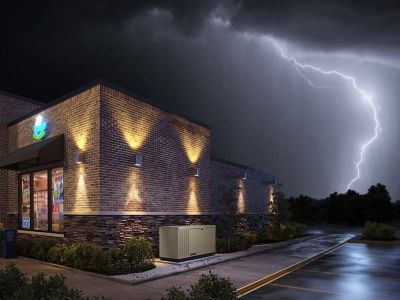
A restaurant being powered by commercial generator during a storm
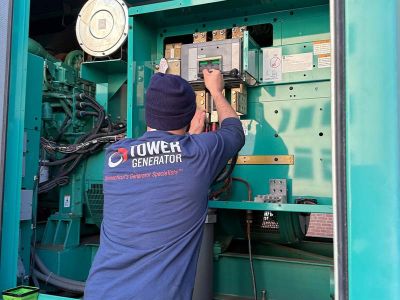
Tower Generator employee installing a generator

Trust Tower Generator for Reliable Standby Power Solutions

For nearly 30 years, Tower Generator has been New England’s trusted standby power partner, proudly serving Connecticut, Western Massachusetts, and Eastern New York. As authorized dealers for top manufacturers, including Rehklo (formerly Kohler), Cummins, Generac, Briggs & Stratton, and ASCO, we maintain one of the region’s largest inventories to ensure faster installation, responsive service, and minimal downtime.

Don’t wait until the next storm to find out your generator isn’t ready. Contact Tower Generator today to schedule preventive maintenance or request a free consultation and be confident your property will stay powered no matter what the forecast brings.